Control erosion, create level yard spaces, and add dimension to your property with professionally built retaining walls. We design and install structural walls that are both functional and attractive.
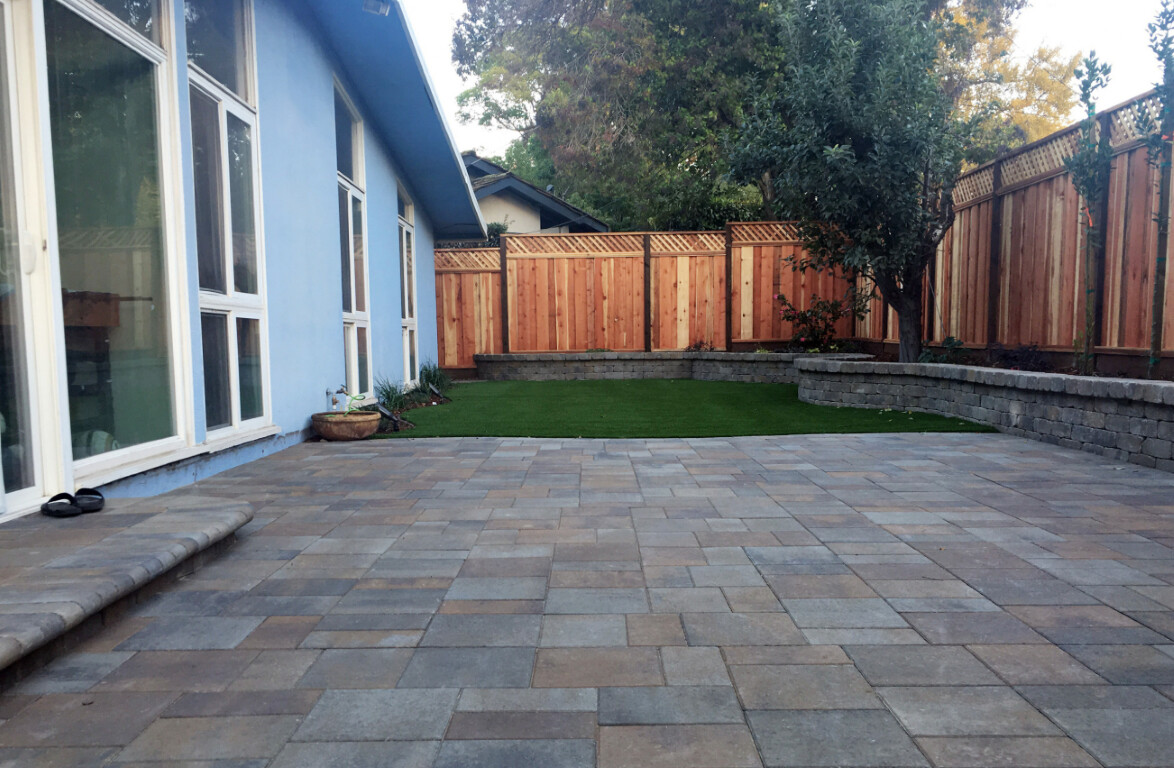
Retaining walls solve real problems for Apache Junction property owners. If your yard has slopes, erosion issues, or wasted space due to grade changes, a retaining wall can transform your property's functionality and appearance.
During heavy rain, sloped yards lose soil to erosion. This damages landscaping, creates runoff problems, and can even threaten foundations. A properly designed retaining wall holds soil in place while managing water drainage safely. You keep your soil where it belongs instead of watching it wash away.
Retaining walls also create usable flat spaces from sloped terrain. That unusable hillside becomes a level yard, garden area, or additional parking. In areas with limited flat land, this adds real value to your property. We design walls that match your landscape and architectural style, turning functional structures into attractive features.
We build several types of walls depending on your needs and site conditions:
The right wall type depends on height requirements, soil conditions, drainage needs, and your budget. We recommend the best solution for your specific situation during our free consultation.
Retaining walls are structural elements that must be properly engineered to be safe and effective. Here's what goes into wall design:
Walls under 4 feet tall generally don't require engineering in Apache Junction, though best practices still apply. Walls taller than 4 feet need engineering and permits. The engineer calculates loads, determines footing depth, specifies reinforcement, and ensures the wall can handle soil pressure. We work with qualified engineers and follow their specifications exactly.
Water pressure behind a retaining wall is the main cause of failure. We design proper drainage into every wall. This includes gravel backfill that allows water to drain freely, perforated drain pipes at the base to carry water away, and weep holes that relieve pressure. Without proper drainage, even the strongest wall will eventually fail.
Retaining walls need solid foundations. We excavate below grade and pour reinforced concrete footings sized for the wall height and soil conditions. The footing must be level and deep enough to prevent frost heave or settling. Corners and ends get extra reinforcement since these areas handle increased stress.
Rebar ties the entire wall system together. Vertical rebar extends from the footing up through the wall. Horizontal rebar runs the length of the wall. For taller walls, we add additional reinforcement mid-height. Every cell around rebar gets filled with concrete. This creates a strong, integrated structure that resists the enormous pressure from retained soil.
Building a retaining wall correctly requires expertise and attention to detail. Here's our process:
Most retaining wall projects take several days to a week depending on size and complexity. We work efficiently while maintaining the quality standards that ensure your wall lasts for decades. If you're also installing a patio or other concrete work, we can coordinate the projects for efficiency.
Properly built retaining walls require minimal maintenance but some attention keeps them performing well:
Watch for signs of problems like cracks, tilting, or bulging. These indicate the wall is under stress and needs professional evaluation. Most issues are easier and cheaper to fix when caught early. We offer repair services if your retaining wall needs attention.
A well-designed and properly installed retaining wall should last 50-100 years with minimal maintenance. We build walls meant to outlast us all.
Get a free consultation and quote for your retaining wall project. We'll assess your site and recommend the best solution.
Proudly serving Apache Junction and surrounding areas in Arizona.